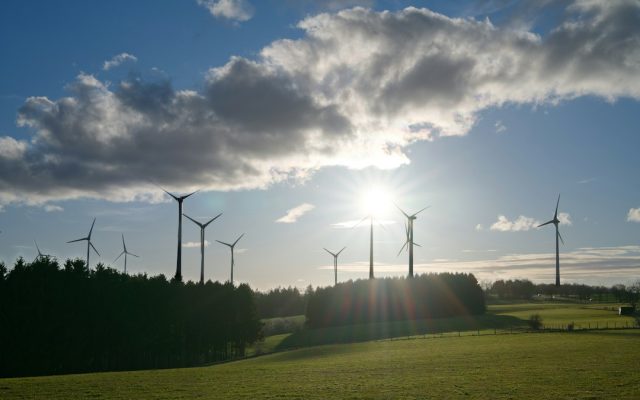
As COP31 negotiations in Antalya move toward a difficult conclusion, climate finance and adaptation have emerged as central tests of whether countries can turn broad commitments into practical support. Delegates are working through disputed language on mitigation, finance, the global adaptation goal and the role of fossil fuels, while developing countries continue to press for predictable funding to respond to climate impacts.
Finance remains a dividing line
Countries most exposed to floods, drought, heat and coastal risks often have limited resources to build resilience. Negotiators are debating how funding should be provided, what counts as accessible finance and how commitments can be translated into projects. The debate is not only about headline amounts; recipients also want clear rules, fewer administrative barriers and funding that does not add unsustainable debt.
The latest discussions have been contentious. Draft language has reportedly narrowed in some areas while dropping explicit references to transitioning away from fossil fuels, prompting concern from climate-vulnerable countries and campaigners. The final text will need to balance political consensus with the urgency reflected in scientific assessments.
Nature can protect infrastructure
Alongside negotiations, work at COP31 has highlighted nature-based solutions as part of infrastructure resilience. Restored mangroves can reduce wave exposure around coastlines, wetlands can help absorb water, and healthy watersheds can support more reliable supplies. These approaches can complement engineered projects, although their performance depends on local ecology, maintenance and planning.
UNEP has described proposals under a nature-based solutions innovation programme, including projects aimed at coastal protection and water infrastructure in Africa and Central Asia. Proposals still require due diligence and financing decisions, but the examples illustrate how environmental restoration can be integrated into development planning.
Designing resilience from the beginning
Infrastructure built today may operate for decades. Roads, ports, power networks and water systems therefore need to account for changing climate conditions rather than rely only on historical weather patterns. Integrating natural systems at the planning stage can reduce exposure and create benefits for biodiversity and local livelihoods, provided communities are involved and safeguards are in place.
Nature-based measures are not a universal replacement for hard infrastructure. A city may need drainage systems, sea walls, emergency services and early-warning networks as well as green space and restored ecosystems. The appropriate mix depends on the risk, geography and evidence of effectiveness.
What a COP outcome must deliver
For the summit to produce a meaningful result, finance needs to be linked to measurable action and a process for tracking progress. Countries will also need to address the credibility of their mitigation plans, the transition of energy systems and the support available for communities facing unavoidable impacts.
The negotiations show how climate policy is increasingly connected to development, public infrastructure and economic security. A final agreement may be imperfect, but its value will be judged by whether it enables countries to implement adaptation, protect people and ecosystems, and reduce emissions at a pace consistent with the climate challenge.
Reporting basis: UNEP COP31 coverage dated 20 November 2026 and reporting on the negotiations’ draft text and adaptation-finance debate.