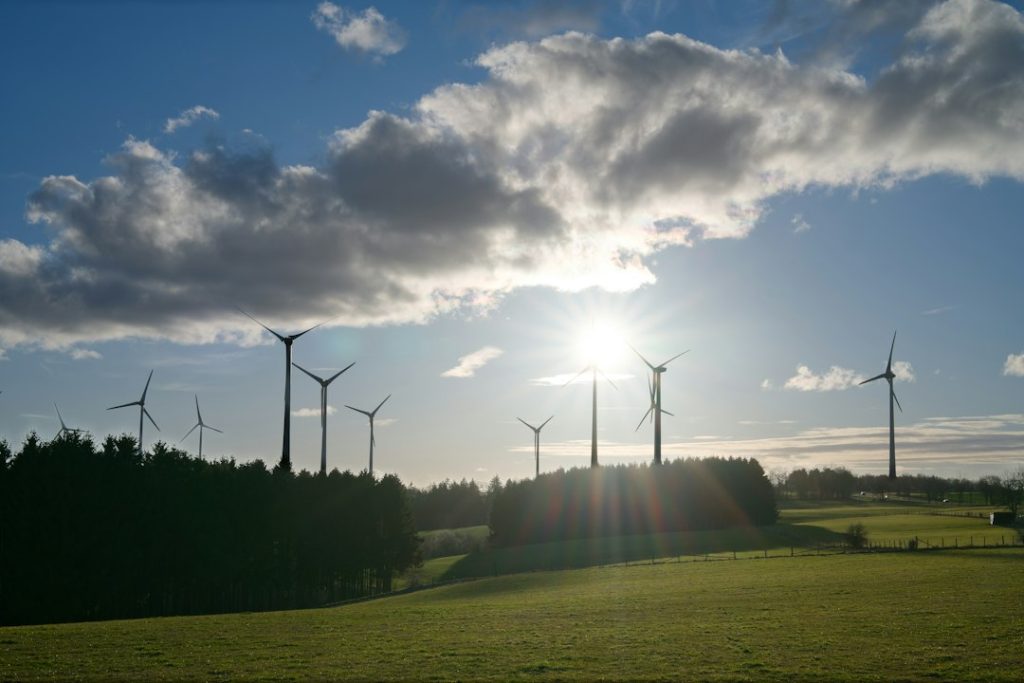
Climate policy is often presented as a choice between protecting nature and building the infrastructure needed for clean energy. In practice, governments and businesses must do both. COP31 discussions highlighted by UNEP on November 17 have focused on finding common ground between forest protection and the energy transition, a challenge that will shape investment decisions for years.
Why the two agendas can collide
Renewable energy, electricity networks and battery supply chains require land, materials and infrastructure. Poorly planned projects can fragment habitats, affect water resources or displace communities. At the same time, forests store carbon, regulate water cycles and support biodiversity. Losing them can undermine climate goals even as countries expand low-carbon energy.
These tensions are not an argument against renewable energy. They are a reason to plan projects carefully, use land efficiently and involve affected communities from the earliest stages. Strategic environmental assessments can identify sensitive areas before infrastructure routes and mining concessions are approved.
Better siting and stronger safeguards
Governments can prioritise rooftops, degraded land and previously developed sites where suitable. Transmission planning should consider ecological corridors and community needs. Mining operations require transparent permits, independent monitoring, responsible waste management and meaningful consultation with Indigenous peoples and local residents.
Businesses also have a role. Investors can ask suppliers to disclose sourcing practices and assess environmental and human-rights risks. Companies should avoid relying on vague sustainability claims when measurable evidence is available. Traceability and independent verification can help identify problems before they become entrenched.
Forests are part of climate infrastructure
Protecting forests is not simply a conservation add-on. Healthy ecosystems can reduce flood risk, protect soils and support livelihoods. Restoration can contribute to climate resilience, although it cannot substitute for cutting emissions from fossil fuels. Forest policies work best when they recognise the rights and knowledge of people who depend on those landscapes.
The energy transition will require significant new investment, but speed should not come at the expense of legitimacy. Projects that damage ecosystems or disregard local communities can face legal disputes, delays and loss of public trust. Integrating biodiversity and human-rights safeguards into planning can make the transition more durable and fair.
Reporting basis: UNEP’s COP31 updates, November 17, 2026, on forest protection and the energy transition.