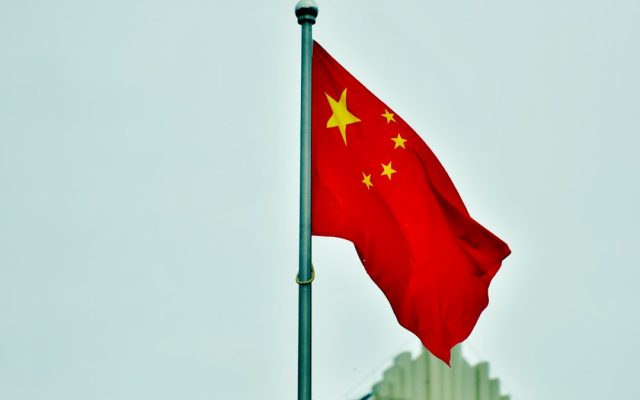
Diplomatic activity across the Indo-Pacific is intensifying as leaders prepare for a series of regional meetings, including an expected gathering of the United States, Japan, Australia and India. The Quad is not a formal military alliance, but its consultations have become an important channel for discussing maritime security, infrastructure, technology and regional stability.
A partnership built around practical cooperation
The four countries have different histories and strategic priorities, yet they share an interest in a stable Indo-Pacific where international shipping routes remain open and disputes are managed peacefully. Their cooperation has covered areas such as maritime domain awareness, critical technologies, resilient supply chains, health security and infrastructure development.
That agenda is deliberately broad. It allows members to cooperate where interests overlap without requiring them to adopt identical positions on every regional issue. The approach can be useful in a region where governments are economically connected to China while also concerned about strategic competition and coercive pressure.
Why the wider diplomatic calendar matters
Meetings held alongside larger regional summits can create opportunities for leaders to compare assessments and coordinate messages. They can also help avoid misunderstandings during periods of heightened tension. But diplomacy is judged by implementation, not by the number of meetings or the strength of a joint statement.
Infrastructure projects need financing and local support. Maritime cooperation requires information-sharing systems that work in real time. Technology partnerships need safeguards for sensitive data and a clear understanding of export controls. These details determine whether political commitments produce durable results.
Balancing security and economic ties
Indo-Pacific governments face a complex economic reality. China remains a major trading partner for many of them, while the United States and other partners remain important sources of investment, technology and security cooperation. Most regional governments do not want to choose a rigid bloc. They want room to pursue national development while reducing exposure to strategic shocks.
The Quad’s effectiveness will therefore depend on whether it can deliver public goods rather than simply signal geopolitical alignment. Practical projects in disaster response, infrastructure standards, undersea cable resilience and maritime safety could build confidence across the region.
Reporting basis: November 15 reporting by Business Recorder on the expected Quad leaders’ meeting in Manila. Details of any final joint decisions should be confirmed from official statements after the meeting.