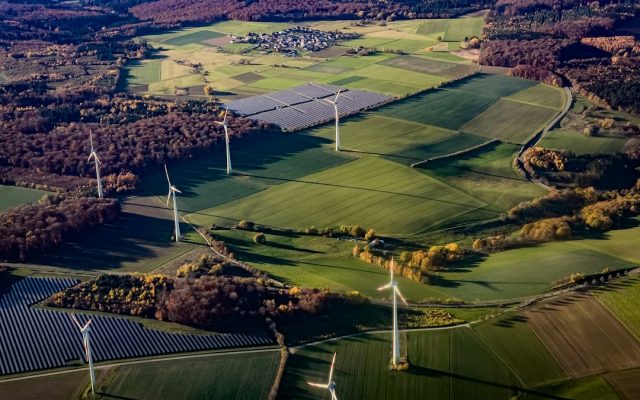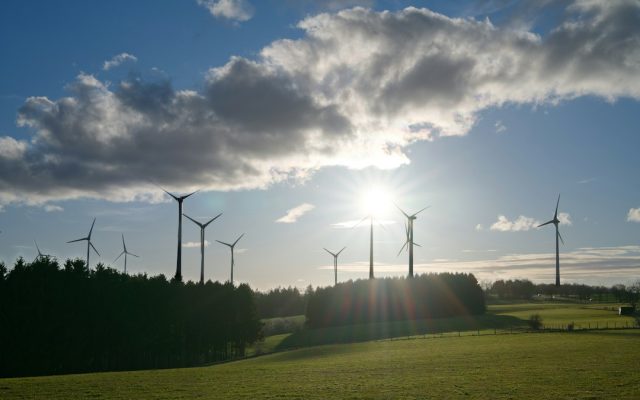
Forest Protection and the Energy Transition Need to Be Planned Together
COP31 discussions on forest protection and energy transition highlight the need to balance emissions cuts with biodiversity, land rights and responsible investment.
Reported budget figures underline the trade-offs governments face when financing development priorities while managing debt, revenue and external shocks.
As companies expand AI budgets, the decisive test is whether automation improves output, quality and service enough to justify infrastructure and oversight costs.
COP31 discussions on electrification and lower-carbon construction show how climate policy is increasingly tied to industrial competitiveness and supply-chain choices.
New AI products and sustained infrastructure spending are intensifying competition, while investors and business leaders seek evidence that adoption can generate durable returns.
S&P Global’s November 17 update points to stubborn price pressures across developed economies, with energy and fuel costs feeding through supply chains.
Federal Reserve Governor Michael Barr has highlighted risks from AI-enabled cyberattacks, automated trading and uncertainty around AI agents in financial accounts.
A proposed 35-by-35 target at COP31 aims to raise electricity’s share of global energy use, while campaigners call for stronger safeguards around mineral extraction.
New business survey signals point to continued price pressure in developed economies, complicating the outlook for interest rates and investment.
Fresh security concerns around the Strait of Hormuz and Bab el-Mandeb are highlighting how quickly regional tensions can affect global trade and energy markets.