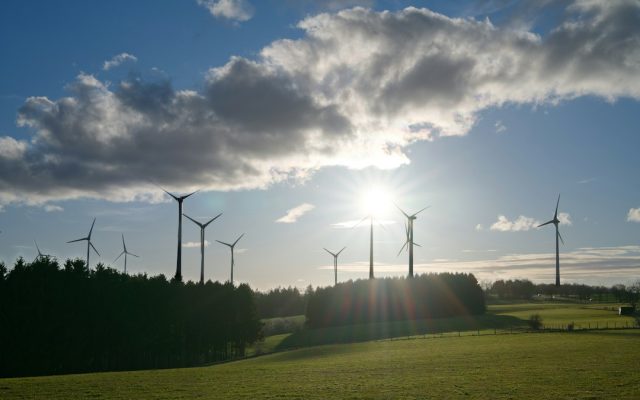
Forest Protection and the Energy Transition Need to Be Planned Together
COP31 discussions on forest protection and energy transition highlight the need to balance emissions cuts with biodiversity, land rights and responsible investment.
New WHO guidance on type 1 diabetes in adults underscores the importance of diagnosis, continuous treatment and health systems that can support patients over a lifetime.
Government support for quantum research reflects growing interest in fault-tolerant computing, but practical applications still depend on difficult engineering milestones.
COP31’s focus on Antalya’s traditional cooling design illustrates how heritage can inform contemporary urban planning and climate adaptation.
As companies expand AI budgets, the decisive test is whether automation improves output, quality and service enough to justify infrastructure and oversight costs.
COP31 discussions on electrification and lower-carbon construction show how climate policy is increasingly tied to industrial competitiveness and supply-chain choices.
Events such as Al Ain’s annual book festival show how regional cultural platforms can support publishers, writers, language and new readers.
UNEP’s COP31 programme has highlighted passive cooling features in Antalya’s historic buildings as cities search for ways to manage rising heat.
The WHO has reported that Eritrea eliminated trachoma as a public health problem, a milestone built on long-term prevention, treatment and community health measures.
A new report highlighted by UNEP at COP31 examines how exceeding 1.5°C of warming could cause persistent harm to northern forest ecosystems.