More countries have developed plans to address antimicrobial resistance, but patients still lack access to essential testing and treatment, the World Health Organization said in a November 16 news release. The message highlights a persistent gap between national policy commitments and the services available to people facing infections that no longer respond reliably to standard medicines.
Why antimicrobial resistance matters
Antimicrobial resistance occurs when bacteria, viruses, fungi or parasites change over time and become less responsive to medicines. The term is often associated with antibiotic-resistant bacteria, but it covers a wider range of pathogens and treatments. When medicines stop working, infections can become harder to treat and routine medical procedures may carry greater risks.
Resistance develops through biological processes, but human behaviour can accelerate it. Inappropriate use of antibiotics, incomplete treatment when medicines are prescribed, poor infection prevention and the use of antimicrobials in animals can all contribute. The issue is also shaped by sanitation, vaccination coverage and access to quality healthcare.
Plans need laboratories and reliable medicines
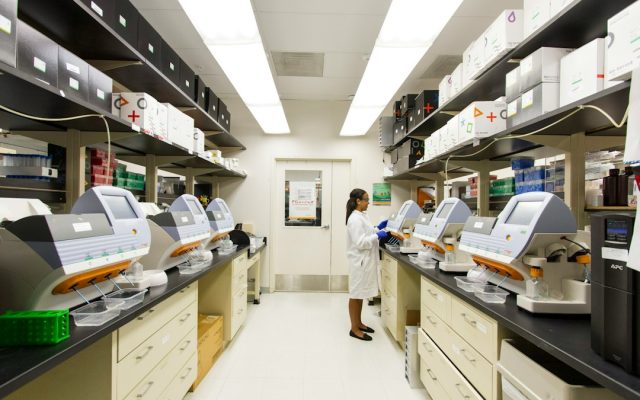
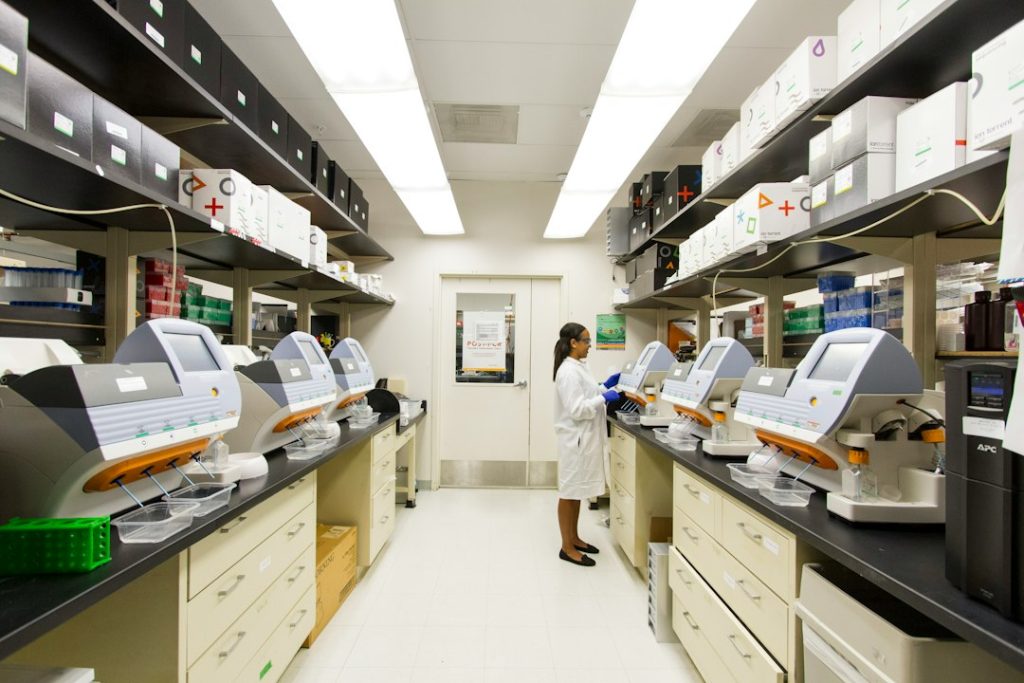
A national strategy is important, but it cannot help a patient if a clinic cannot identify the pathogen or determine which treatment is likely to work. Diagnostic capacity allows clinicians to use medicines more precisely and helps public-health authorities detect patterns of resistance. Without reliable data, countries may struggle to understand where the problem is growing.
Access to effective treatment is equally important. Some communities face shortages of essential medicines, while others may have access to antibiotics but limited laboratory support. The result can be treatment delays, unnecessary use of broad-spectrum drugs or avoidable complications.
A coordinated response
Health systems can strengthen surveillance, improve laboratory networks, support infection prevention and ensure that essential medicines are used responsibly. Hospitals need infection-control practices, while communities benefit from vaccination, clean water and sanitation. Veterinary and agricultural sectors also have a role because resistant organisms can move between people, animals and the environment.
The WHO update is a reminder that progress should be measured in services, not only strategies. Countries need to track whether patients can obtain timely diagnosis and effective treatment, whether medicine use is appropriate and whether resistance trends are improving. Without those foundations, national plans risk remaining documents rather than becoming meaningful protection for patients.
Reporting basis: World Health Organization, news release dated November 16, 2026.